

Nitrile Glove Market 2026: What’s the Turmoil?
2026-05-29 14:27:06
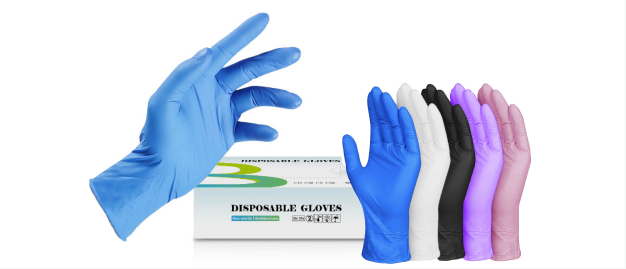
Since 2022, the global disposable glove industry has undergone a deep post-pandemic adjustment period — characterized by downstream channel destocking, continuous price declines, and the gradual consolidation of small and medium-sized production capacity. By the end of 2025, the industry's supply-demand structure had largely returned to balance.
Entering 2026, the global nitrile glove market is estimated to reach between 5.7 billion and 19.5 billion US dollars (depending on different data sources), with a compound annual growth rate of approximately 9% to 11%. North America remains the largest consumer market, accounting for about 40% of global demand, while the Asia-Pacific region, despite a penetration rate of less than 40%, demonstrates the strongest growth potential.
At the same time, the trend of nitrile gloves replacing latex and PVC continues to deepen, driven by their key advantages including non-allergenic properties and excellent puncture resistance.
2. Tariff Policies Reshape the Global Procurement Landscape
The cumulative tariffs imposed by the United States on Chinese medical gloves have reached 100% to 120% (including multiple stacked tariffs). In theory, this should give Malaysian manufacturers a significant price advantage. However, due to soaring raw material costs in Malaysia, this tariff-driven advantage has been structurally eroded.
In contrast, Chinese glove manufacturers benefit from a fully integrated domestic petrochemical industry chain, with stable supply of basic raw materials such as butadiene and far less price volatility compared to international markets. This creates a competitive moat on the cost side that is difficult to replicate. Some leading manufacturers have further locked in critical raw material supply through deeper strategic cooperation with upstream suppliers, and have implemented cogeneration projects to achieve energy self-sufficiency, thereby reinforcing their cost advantage from multiple angles.
3.Procurement Logic Shifts from "Price First" to "Reliable Delivery First"
After years of intense price competition, the core demand of downstream channel distributors has shifted from seeking the lowest price to securing stable and reliable fulfillment.
Large European and American medical procurement agents are accelerating the restructuring of their supplier systems. The ability to ensure stable supply has now become a more critical decision-making factor than price.
4. Future Outlook: Three Definitive Trends
Looking ahead to the second half of 2026 and the medium to long term, the nitrile glove market will exhibit the following clear trends:
Trend 1: Prices Remain Elevated, Pricing Power Restored
Current overseas order prices are expected to remain high. Leading Chinese manufacturers have significantly restored their pricing power, and the industry has fundamentally moved away from the previous pattern of low-price competition.
Trend 2: Global Supply Center Accelerates Shift to China
Due to raw material constraints, high energy costs, and trade policy uncertainty, the economic feasibility of new capacity additions in Malaysia continues to decline. The majority of new global supply will come from China.
Chinese manufacturers with secure raw material access, energy cost advantages, and large-scale production capacity will continue to expand their market share in the current industry consolidation.
Trend 3: Procurement Decision Criteria Fully Upgraded
1.For global B2B buyers, the current window period means:
2.Long-term supply relationships should be secured as soon as possible in anticipation of rising prices.
Reliable delivery capability, supply chain stability, and cost control will replace pure price competitiveness as the three core decision-making factors for glove procurement in 2026.
For B2B buyers seeking stable nitrile glove supply from China, explore our product catalog or contact our team to secure long-term capacity before further price adjustments take effect.